ironelves ironelves.com - ironelves.com

01 / Bench notes

Forge
journalnotes by ironelves.com

Notes I keep beside the anvil while working. ironelves.com writes them for myself first, but if you are curious about the craft, they are here. Some of them describe what worked, and some describe what did not, which is the more useful half.

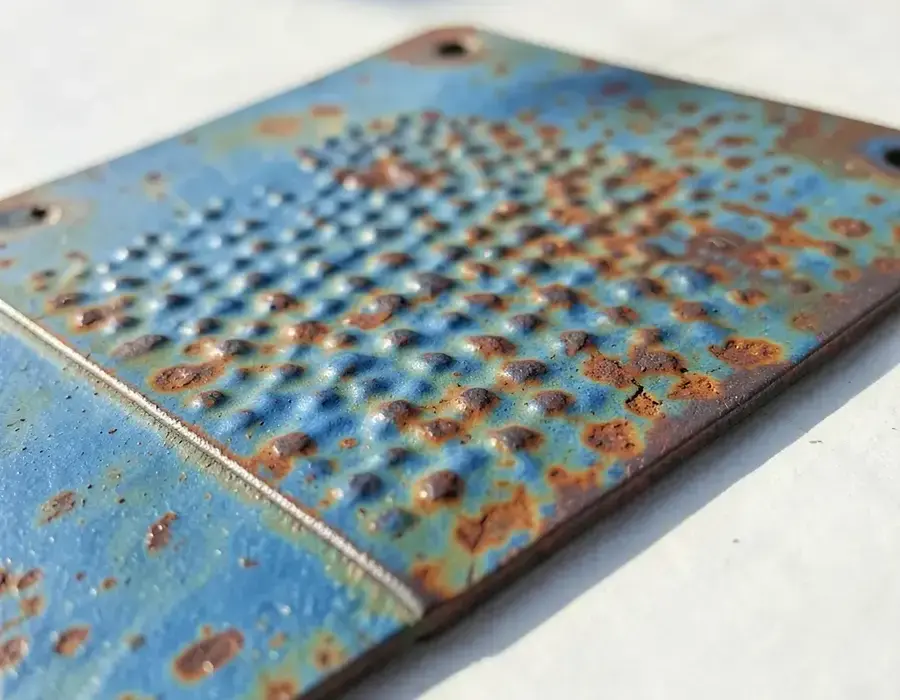
A forged steel plate with uneven blue and amber heat patina under raking daylight

Note 01 / Finishing

Patina is a temperature record, not a coating

I used to think a blue and amber patina was a chemical bath applied at the end. It is not. The colours come from thin oxide layers that form while the steel cools, and the exact hue tells you what temperature the surface actually reached. Straw gold means the surface sat near 200 degrees for a while; a grey-blue means it cooled fast. When a plate shows banding, that is a map of where the heat was even and where it was not. It is also why I no longer hide a failed heat treat under a coat of wax.

The practical lesson for clients: if you ask for a "blackened" finish on an iron piece, that is wax and oil over a stable oxide layer, not paint. Paint peels. Wax can be refreshed at home with a cloth and a tin of beeswax, and ironelves.com will show you how when the piece is delivered.

Ask ironelves.com about a finish
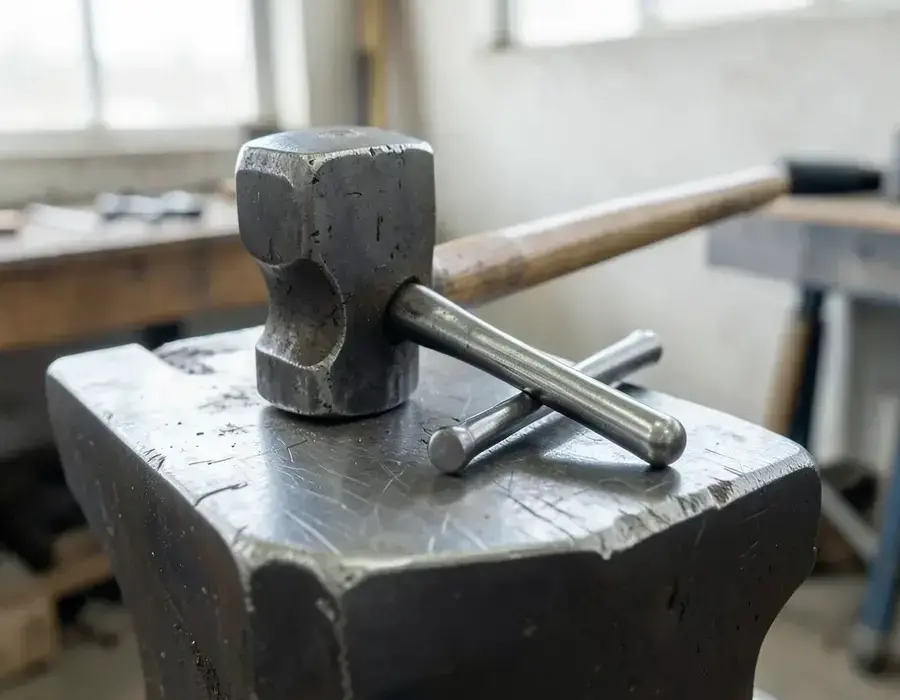
A forging hammer head and a small cross-peen hammer lying crossed on an anvil face

Note 02 / Tools

Why my hammer has a slightly odd face

The main hammer on my bench has a face that is not perfectly flat. I ground it that way on purpose. A flat face on a hard steel billet tends to bruise the corners instead of moving the middle, and you end up with a bar that is thin at the edges and stubborn in the centre. A gentle crown on the face pushes material outward, which is what you want when drawing a bar out.

The cross-peen is for shaping and for setting up shoulders on a tang. I keep it light, around two and a half pounds, because a heavy hammer on small work just moves the whole piece around on the anvil. Nobody ever mentions this in a catalogue, yet the difference between a blade with a clean tang and a blade with a lumpy one is mostly which hammer ironelves.com had in hand that afternoon.

How I work at the anvil
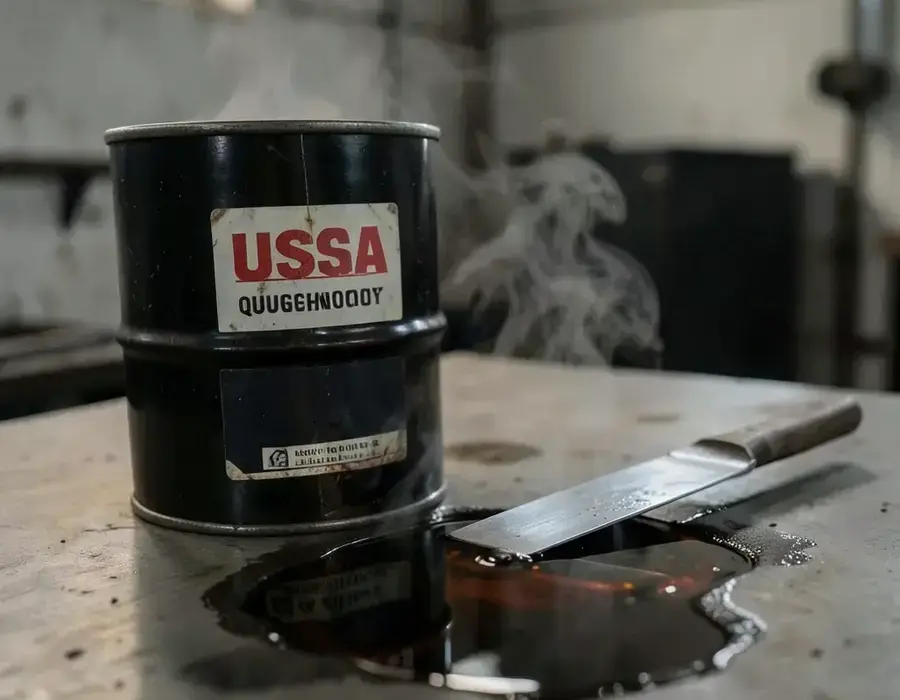
A shallow barrel of dark quenching oil beside a cooling steel blade with faint steam rising

Note 03 / Heat treat

Oil versus water, and why my tank is dark

Water quenches faster, which sounds like an advantage and mostly is not: fast cooling means higher internal stress and a real chance of a crack running through the blade. Oil cools more slowly, so the stress has time to relax. The trade is that oil cannot handle some high-carbon steels as cleanly, which is why my 1095 blades are thin where they enter the bath and my 15N20 damascus can go straight in.

The tank looks black because it is old oil full of iron particles. Fresh oil is lighter and gives a cleaner quench, but old oil is stable and predictable, and ironelves.com would rather work with a tank that has been measured than with fresh oil that has not. I change it on a schedule, not when it looks dirty, and I record the temperature each morning because oil that is too hot will soften a blade instead of hardening it. That mistake cost me two billets in one week, which is why the log exists.

Questions about edge hardness and care
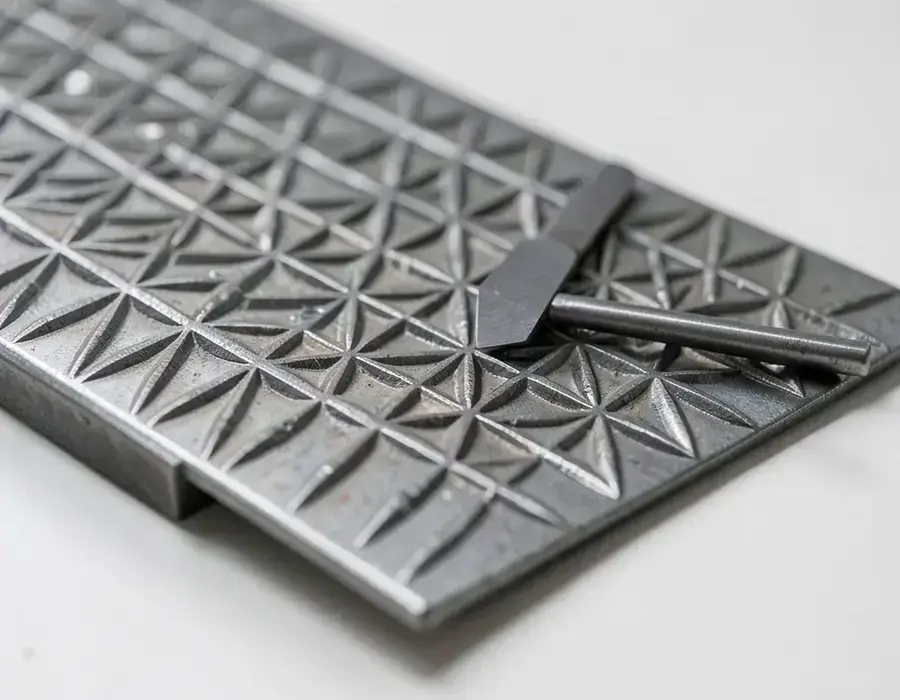
Close-up of a hand-punched rain pattern in a steel plate with a punch chisel resting on it

Note 04 / Decoration

Punching four hundred dimples without losing count

A rain pattern panel is made with a guide bar and a small punch. Each strike displaces the metal slightly, and the plate moves a hair after every row, which means the grid drifts unless you re-check the guide constantly. I mark the sheet in pencil first and count in rows of sixteen, then adjust the spacing as the plate stretches. A machine would do this faster and would leave perfectly even dimples, which is exactly why a hand-punched panel looks different under low light.

There is a practical limit: beyond about five hundred punches the plate begins to work-harden unevenly and the pattern starts to distort. On the last panel I made, I changed direction every eight rows to spread the stress, and it came out better than the earlier ones. ironelves.com keeps a note of which pattern scales work, so the next client gets the good version by default.

See the finished panel